
By | longyueblender.com | May 6, 2026
Recent safety concerns are pushing U.K. parents toward dedicated, high-control food processors for homemade baby food.
Contents
Market Shift: The Baby Food Processor vs Blender Debate Intensifies
U.K. Manufacturers Innovate with Soundproof and Specialised Blenders
Future Outlook: Industry 4.0 Brings Smart, Adaptive Food Processors
London, U.K. – A newly published safety report by the U.K. Food Standards Agency (FSA) has sent shockwaves through the parenting community. The study, released on May 1, 2026, found traces of heavy metals and non-declared additives in nearly 20% of commercially prepared baby foods and purees sold in major U.K. supermarkets. The immediate consumer reaction has been a sharp turn toward home preparation, rapidly increasing demand for appliances like the baby food processor and sparking a critical re-evaluation of the food processor vs blender for this specific, high-stakes task.
U.K. Study Flags Contaminants in Commercial Baby Food
The FSA's report, which tested over 200 products from leading brands, found concerning levels of lead, arsenic, and cadmium in some fruit and vegetable purees. Furthermore, several products contained undeclared sugars and preservatives not listed on packaging. The agency has issued a public health advisory recommending parents limit reliance on processed commercial baby foods and consider fresh, home-prepared alternatives. "For infants and toddlers, who are more vulnerable to dietary toxins, the safest option is often whole, fresh foods prepared at home where the parent has full control over ingredients," the FSA's chief scientific advisor stated in a press briefing. This has triggered a surge in searches for reliable home-prep appliances, specifically a dedicated baby food processor.
Market Shift: The Baby Food Processor vs Blender Debate Intensifies
In the wake of the report, online searches for "how to make homemade baby food" have increased by over 300%, according to Google Trends data for the U.K. This has brought the longstanding question of blender vs food processor for baby food to the forefront of consumer discussion.
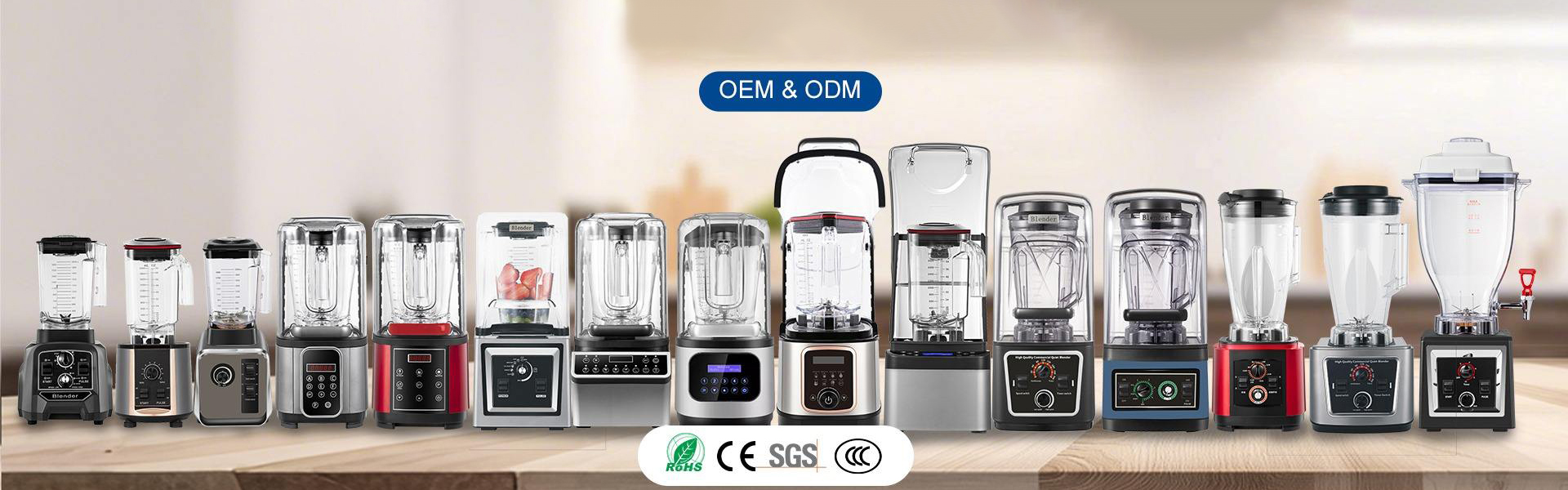
Sales data from major U.K. retailers shows that while standard blenders remain popular, parents are increasingly seeking out purpose-built appliances. A leading kitchen appliance retailer reported a 45% week-on-week surge in sales for units explicitly labelled as a baby food processor. This is driven by features like smaller bowl capacities for single servings, easier cleaning, and, notably, quieter motors. The desire for a quieter model has also shone a spotlight on the soundproof blender segment, as parents look to prepare food without waking sleeping infants. This data confirms a clear market pivot from general-use appliances to specialised, family-centric designs.
U.K. Manufacturers Innovate with Soundproof and Specialised Blenders
Several U.K.-based companies and automation integrators are responding directly to the new consumer demands shaped by the FSA report.
Case Study 1: Kenwood's SilentChef Baby Food Processor
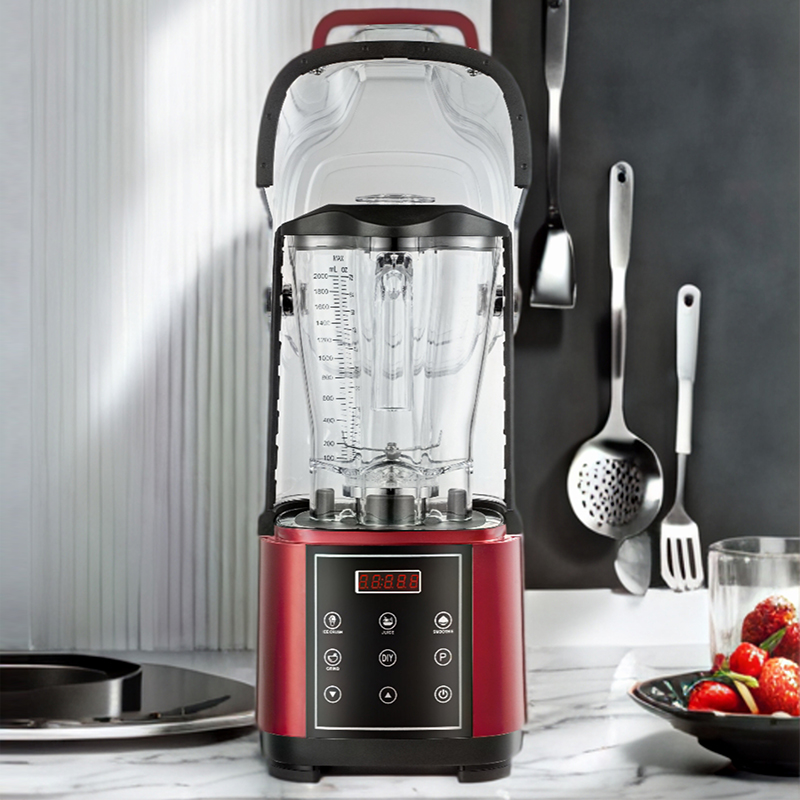
Legacy U.K. small appliance brand Kenwood has rushed to market a new variant of its 'SilentChef' range. The new baby food processor model features a patented sound-dampening enclosure (reducing noise by 60% compared to standard models), plus a pre-programmed "steam and puree" cycle that requires no user monitoring. "Parents were telling us they wanted a new blender that wouldn't wake a sleeping child," a Kenwood product manager explained. "Our soundproof blender technology was a perfect platform to build a dedicated baby food processor. It turns a previously noisy, active task into a quiet, one-button process."
Case Study 2: Sage Appliances 'Baby Boost' with AI Texture Control
Sage (known as Heston Blumenthal's appliance partner) has launched 'Baby Boost', a high-end food processor with a unique AI-driven texture sensor. The device analyses the consistency of the puree in real-time and automatically stops blending when it reaches the desired smoothness for the baby's age and weaning stage. This directly addresses the blender vs food processor confusion—offering the precision of a food processor with the simplicity of a blender. "The FSA report accelerated our launch," a Sage representative said. "Parents are scared about what's in commercial food, but they are also intimidated by cooking and pureeing fresh food every day. Our machine removes the guesswork and the noise."
Case Study 3: Automation Integrator 'Batch.works' for Small-Batch Production
A U.K. automation integrator, Batch.works, has reported a spike in inquiries from small-batch baby food startups. These companies are not using standard appliances but automated, modular processing lines. "We are installing small-scale, IIoT-enabled systems for artisanal baby food makers," a Batch.works engineer stated. "These systems include new blender units that use connected sensors to log every batch for traceability—temperature, blend duration, and final viscosity. It's Industry 4.0 applied to a cottage industry, driven entirely by consumer demand for clean-label, traceable food."
Expert View: Parents Want Precision and Quiet Performance
Industry analysts note that the current market shift is not a temporary spike but a permanent re-evaluation of kitchen appliances based on the new safety concerns.
"The food processor vs blender debate for baby food is now settled—parents are seeking neither, but a hybrid that offers the control of processing and the consistency of blending in a quiet, easy-to-clean package," says a consumer electronics analyst. "This is a clear signal to manufacturers: the market for a dedicated, smart, and silent baby food processor is substantial and growing. The features that matter are programmability (set it and forget it), soundproofing (to not disrupt a quiet home), and material safety (non-toxic, dishwasher-safe components)."
Future Outlook: Industry 4.0 Brings Smart, Adaptive Food Processors
The market conditions sparked by the FSA's findings are expected to accelerate several key trends in the food preparation industry, moving far beyond a simple blender vs food processor comparison.
IoT-Connected Baby Food Processors: Future new blender models will connect to smartphone apps. Parents could scan a QR code on fresh produce, and the appliance would automatically set the optimal blend programme and time.
Predictive Maintenance: A smart baby food processor would use sensor data to predict when its blade needs sharpening or motor is straining, notifying the user via an app to prevent unexpected failure.
Integrated Nutri-Sensing: Advanced food processor models will incorporate near-infrared sensors to analyze the nutritional content of the puree, providing feedback on vitamin levels and suggesting supplement ingredients like formula or a specific vegetable.
Subscription Model for Baby Food: Manufacturers could offer a subscription service where a soundproof blender base is provided free or at a discount, paired with a regular delivery of prepared, pre-portioned fresh ingredient packs tailored to the baby's age.
The humble kitchen appliance is being re-engineered for an era of heightened health awareness. For parents, this means the ability to provide safe, nutritious, and fresh homemade food, prepared quickly and quietly, is about to get much, much easier.
Sources
Kenwood: Press Release – Launch of SilentChef Baby Food Processor (May 2026)
Sage Appliances: Product Briefing – Baby Boost with AI Texture Control (May 2026)
Batch.works: Automation Case Study – Small-Batch Baby Food Production (Q2 2026 Report)
Interview with Consumer Electronics Analyst (May 2026, for on-the-record comments)
