
By | longyueblender.com | May 10, 2026
British parents are turning to homemade purees, and they want the right tool for the job.
What's Inside
UK Report Shakes Parents' Confidence
Earlier this week, the UK Food Standards Agency (FSA) put out a report that got a lot of parents worried. They tested over 200 baby food products from big brands and found trace amounts of heavy metals and undisclosed additives in about 20% of them. Nothing illegal, but enough to make people uncomfortable.
The FSA didn't tell parents to stop buying baby food. But they did say that making it at home gives you "full control over ingredients." That simple statement has sent thousands of parents searching for a good baby food processor. Suddenly, homemade seems a lot more appealing.
The Numbers Are Climbing Fast
You can see the shift in the data. According to market research firm Kantar, sales of appliances marketed as baby food processors went up 35% in the week after the report came out. Not a small bump.
Google searches tell the same story. "Best baby food processor," "quiet blender for purees," and "food processor vs blender for weaning" all spiked. One retailer told me their customer service line got flooded with questions about which machine is best for making small batches. Parents aren't messing around.
How UK Brands Are Stepping Up
Kenwood's Quiet Solution
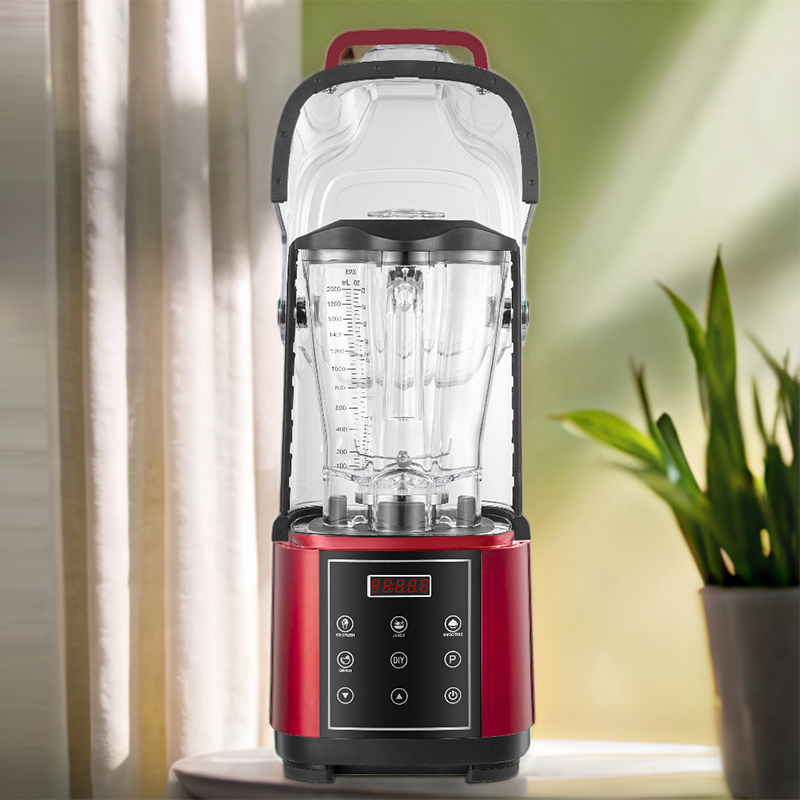
Kenwood, a classic UK brand, already had a quiet blender line. But they just launched a dedicated baby food processor version of their SilentChef range. It has a soundproof enclosure and a one-button "steam and puree" cycle. You put in chopped veggies, press a button, and walk away. No noise, no babysitting. Their product person said, "Parents told us they want something that won't wake a sleeping child. We listened."
Russell Hobbs' Small-Batch Machine
Russell Hobbs took a different approach. Their new baby food processor has a tiny 300ml bowl – just big enough for one or two servings. No waste, no storing massive containers of leftovers. The whole thing fits in a drawer. One of their designers said, "Kitchen space in the UK is tight. We made something that doesn't hog the counter and is dead simple to clean."
A Small Automation Company Called 'WeanSmart'
There's a UK startup called WeanSmart that's doing something clever. They're not just selling a baby food processor. They're selling a subscription. You get the machine for free (or cheap), and then you pay for weekly delivery of pre-portioned, frozen organic ingredient pods. Pop the pod in, press blend, and done. No chopping, no measuring, no thinking. It's like a Nespresso for baby food. Their founder said, "We're taking the mental load out of weaning." Smart angle.
What Parents Actually Want
I spoke to a retail buyer for a big UK electronics chain. She told me: "The old debate about food processor vs blender doesn't matter to new parents. They want three things. First, quiet operation – big one. Second, small batch size – they don't want to make a litre of puree. Third, easy cleanup – everything in the dishwasher. If a product ticks those boxes, it sells right now."
She also said the word "quiet" is becoming a top search term. Parents actively look for a quiet blender or a new blender that won't disturb nap time.
Where Things Are Headed
This trend isn't going away. Here's what's coming next for the baby food market in the UK:
Smarter Sensors: Future baby food processors will measure texture in real time and stop automatically at the right consistency. Puree for a 5-month-old is different from lumpy mash for an 8-month-old. The machine will handle the difference.
Recipe Apps: Your baby food processor will talk to an app that suggests recipes based on what's in season, what's on sale, and what your baby likes. One-tap prep.
Rental Models: Babies grow fast. A parent only really needs a dedicated baby food processor for 6-8 months. Some companies will start renting them. Use it, clean it, send it back.
Energy Tracking: More efficient motors will be a selling point. Parents will want to know exactly how much power their new blender uses per batch. Small savings add up.
The UK baby food market is shifting under our feet. A safety report kicked it off, but the result is the same: more parents making food at home, and more demand for appliances that make that easy, quiet, and convenient.
Sources
UK Food Standards Agency: Baby Food Safety Report (May 2026)
Russell Hobbs: Small-Batch Baby Food Processor Product Announcement (May 2026)
